
TCHV 3006 - Child Abuse: Working with Abused & Neglected Children
Description
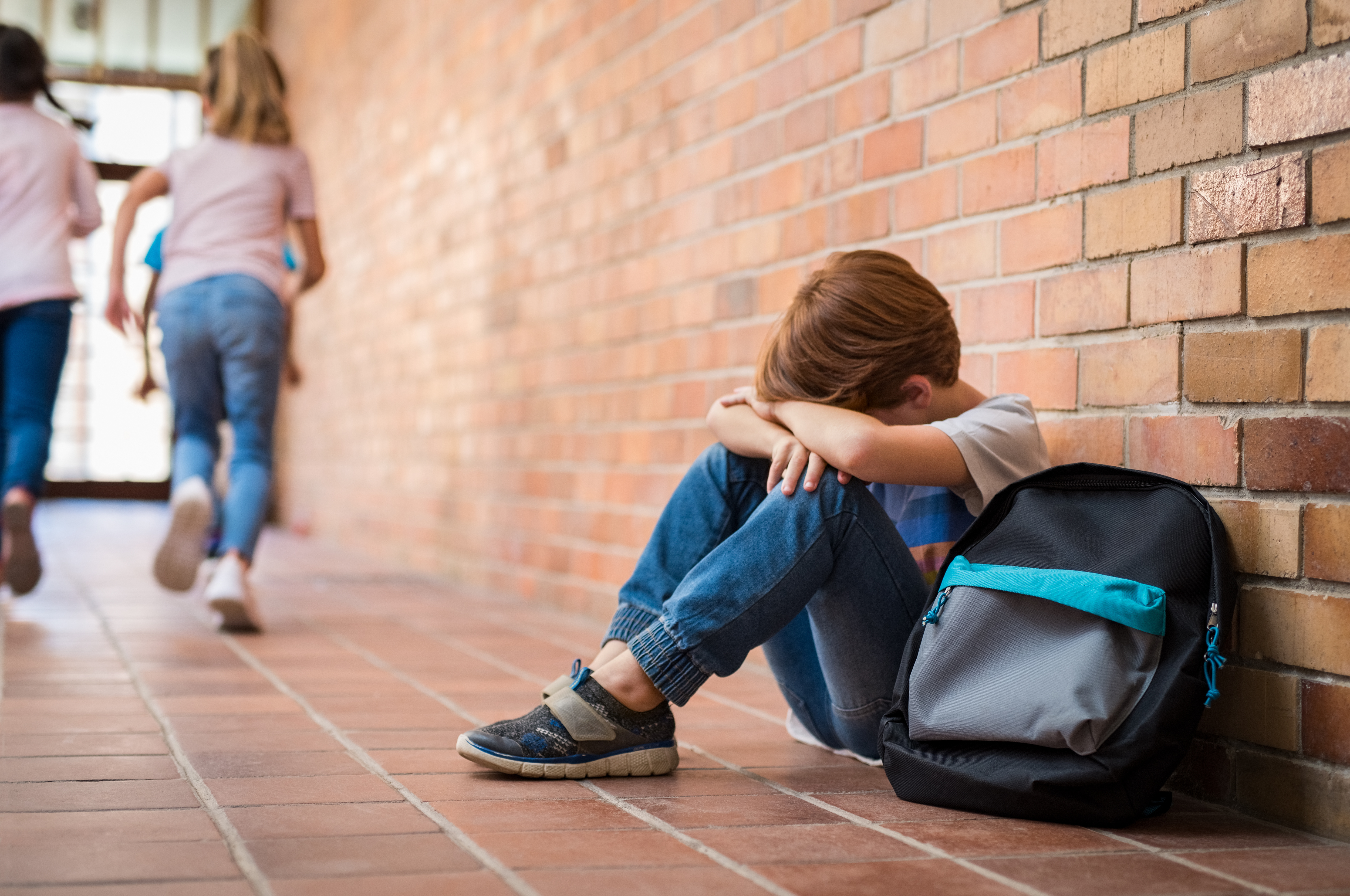
This course is designed to help classroom teachers, school counselors, and other educational personnel gain strategies to reach and teach students who have been affected by child abuse or neglect. Participants will learn the signs and symptoms for the three types of abuse (physical, emotional, and sexual) and the four types of neglect (physical, medical, emotional, and educational). Additionally, participants will learn the symptoms of childhood depression, suicidal tendencies, child sexual trafficking, and substance abuse, along with how these issues are tied to child abuse and neglect. Participants will explore how abuse and neglect affect a student’s learning, cognitive brain development, and social-emotional development. The short- and long-term consequences of abuse and neglect, as well as the cultural, social and family causes, will be reviewed. The educator’s role in the intervention and prevention of child abuse and neglect will be discussed.
Outline
- Chapter One: Introduction, History & Characteristics This chapter introduces the participant to the course topic through a discussion of the working definitions and the statistical magnitude of the problem of child abuse and neglect. A short history of how child maltreatment has evolved is included, as is a discussion of the educator’s role in the reporting, treatment, and prevention of child abuse and neglect in society. This chapter also discusses the family factors involved in the incidence of child abuse and neglect, including personal factors, cultural influences, and environmental/societal factors. The link between domestic violence and child abuse is discussed. How adverse childhood experiences (ACEs) affect both children and parents is explored. The topic of disproportionality in racial representation in abuse statistics is reviewed.
- Chapter Two: Indications & Types of Abuse This chapter presents the physical and behavioral signs and symptoms of physical and emotional child abuse. It discusses the types of emotional abuse and will define and present the physical and behavioral symptoms of sexual abuse. It also discusses the stages of normal sexual development, in addition to how to handle disclosures of sexual abuse. It includes a discussion about why children with disabilities are abused and neglected at a higher rate than children without a disability.
- Chapter Three: Neglect: Types, Causes & Interventions This chapter discusses the physical and behavioral symptoms of the four types of neglect (physical, medical, emotional, and educational). It includes information about how to distinguish between the influences of poverty vs. actual neglect of a child. The role patterns children of neglect often exhibit and the causes of neglect, including poverty, are presented.
- Chapter Four: The Effects of Abuse & Neglect In this chapter, the long-term effects of child abuse and neglect on a child’s social, emotional, and personality development will be discussed. Youth with a history of abuse or neglect are highly susceptible to developing problems in the areas of substance abuse, juvenile delinquency, depression, or becoming a victim of child trafficking. The social and emotional traits of specific age groups of maltreated children will be discussed, as well as the effects of foster placement on the child and family. Also included in the final chapter, the information learned in the previous three chapters is applied specifically to methods for reaching and teaching students who have been abused or neglected. Barriers schools create for families are discussed as well as interventions for meeting the student’s physical, cognitive and social-emotional needs at school. The course ends with a discussion of the educator’s role in the intervention, treatment, and prevention of child abuse and neglect.
Program Objectives
- Understand the educator’s role in protecting and supporting abused or neglected students
- Recognize the symptoms of child abuse and neglect
- Recognize the symptoms of depression and suicidal tendencies in youth, symptoms of child sexual trafficking, and symptoms of substance abuse in relation to child abuse
- Know their state and school district’s child abuse reporting procedures
- Understand the causes of abuse and neglect in families and society
- Understand how abuse and neglect affect a child’s brain structure and overall development
- Understand the special learning needs these students bring to the classroom
- Gain techniques for supporting students and families affected by abuse or neglect
- Learn intervention techniques applicable to the classroom setting
- Gain a wider knowledge of available outside resources and support systems
- Understand the educator’s role in the intervention and prevention of child abuse and neglect
- Understand the concept of disproportionality in child abuse statistics
- Understand the cultural influences on child abuse and neglect
- Be able to determine whether the neglect of a child is due to poverty factors or parental neglect
- Understand how/why children with disabilities are at a higher risk for being abused/neglected
- Understand the concept of disproportionality in child abuse statistics
- Understand the cultural influences on child abuse and neglect
- Be able to determine whether the neglect of a child is due to poverty factors or parental neglect
- Understand how/why children with disabilities are at a higher risk for being abused/neglected
Notes
This course is offered in partnership with VESi. Learners must earn a minimum of 70% in the course to receive continuing education units.